
Oregon JOBS Act: What 373 Acres of New Industrial Land Near Hillsboro Means for Portland’s Commercial Real Estate Market
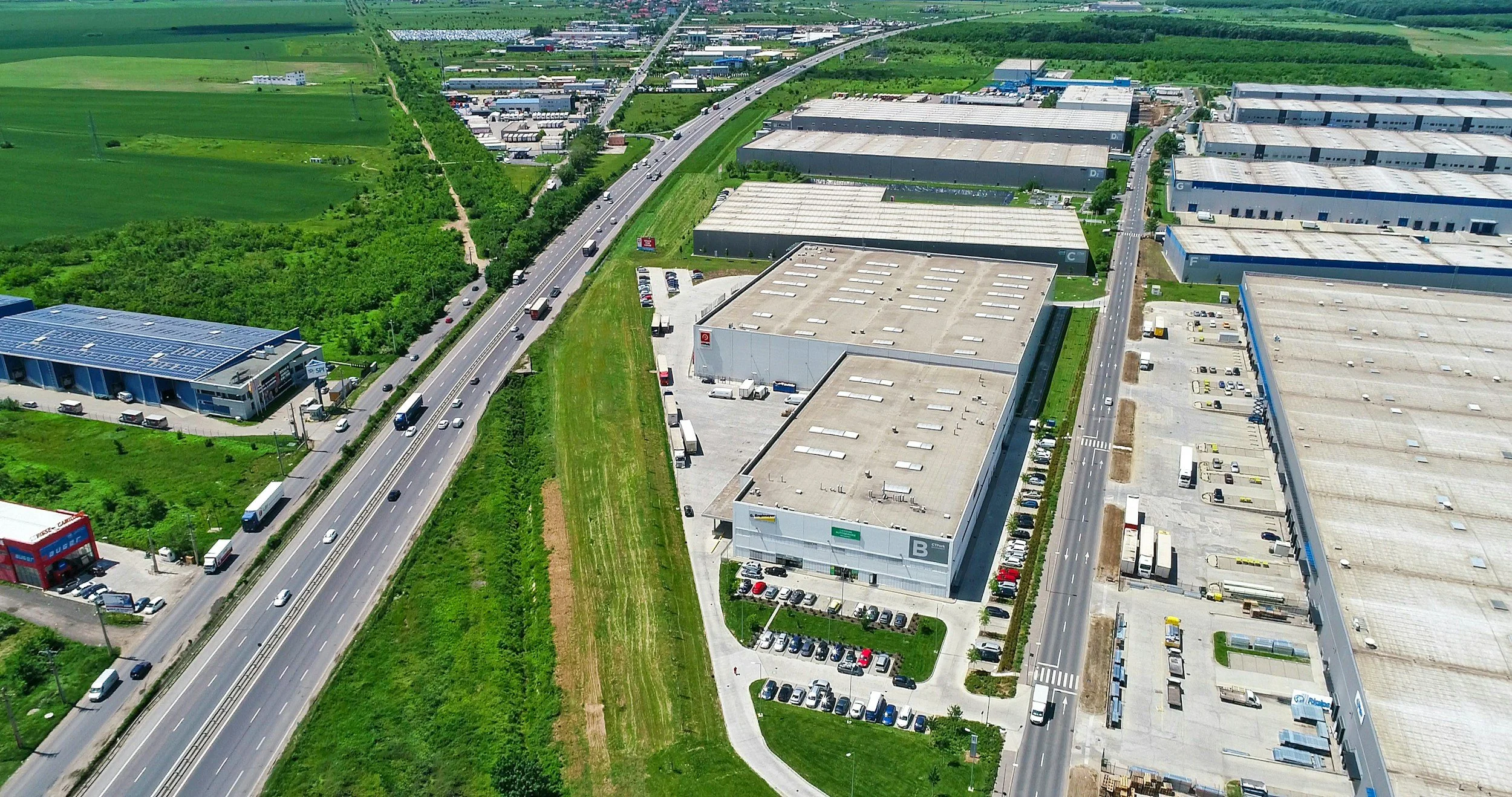
Oregon lawmakers are considering one of the most significant land use changes the Portland metro has seen in years — and it could reshape the region's industrial real estate landscape for decades. Senate Bill 1586, known as the Oregon JOBS Act, would bring 373 acres of rural land north of Hillsboro into Metro's urban growth boundary, creating build-ready sites for advanced manufacturing and semiconductor production. For tenants, landlords, and investors across the Portland market, this is a development worth tracking closely.
The Economic Picture
The Oregon JOBS Act is a bipartisan effort sponsored by Senators Janeen Sollman, Mark Meek, Dick Anderson, and David Brock Smith. The bill targets a specific problem: Oregon lacks large, shovel-ready industrial parcels capable of attracting major advanced manufacturing operations. As Senator Sollman put it, Oregon has the workforce and innovation ecosystem, but not the industrial land in the size or location these firms require.
The 373-acre expansion in North Hillsboro is the centerpiece. The land sits adjacent to property already being assembled for potential large-scale manufacturing projects — a region closely tied to Oregon's semiconductor industry. The bill builds on the Oregon CHIPS Act (SB 4, 2023) and recommendations from the 2022 Semiconductor Task Force, both of which identified the North Hillsboro corridor as strategically suited for advanced manufacturing facilities that need large contiguous parcels with infrastructure capacity.
Beyond the land itself, SB 1586 includes several economic development provisions. R&D tax credits would be doubled on a biennial basis and expanded beyond semiconductors to include biotech and clean technology sectors. A new local-option property tax waiver would apply to new machinery and equipment in advanced manufacturing facilities. And the bill would require state agencies to publish permitting deadlines and create a public catalog of issued permits — a direct response to complaints about Oregon's notoriously slow entitlement process.
The legislation draws a clear line on what the land can and cannot be used for. Stand-alone data centers, retail warehouses, and commercial recreation facilities are explicitly prohibited. The remaining approximately 1,400 acres in the broader North Hillsboro area would shift to an urban reserve designation, returning to Metro's standard land use process for potential future expansion over a 50-year horizon.
Not everyone supports the proposal. Agricultural groups and land conservation advocates have pushed back, arguing the bill would bypass Oregon's established public input process and convert some of the Willamette Valley's best farmland to industrial use. That tension between economic development and farmland preservation is a familiar one in Oregon — and it will likely shape how quickly and in what form this bill advances.
What This Means
For tenants and occupiers: If you are an industrial tenant in the Portland metro — particularly in the Columbia Corridor, Sunset Corridor, or 217 Corridor submarkets — this bill signals that the region is actively working to expand its industrial inventory. That does not mean relief is immediate. The 373 acres in North Hillsboro are targeted at large advanced manufacturing users, not typical warehouse or flex tenants. But the broader policy direction matters. More industrial land in the pipeline, combined with the economic headwinds already shaping the market, could create additional options for tenants evaluating site searches in the western suburbs over the next several years. Tenants in sectors adjacent to semiconductor supply chains — logistics, equipment suppliers, professional services — should pay close attention to how North Hillsboro develops. Comparing lease proposals across multiple submarkets will become increasingly important as new inventory comes online.
For landlords and investors: The JOBS Act is a signal that Oregon is competing more aggressively for advanced manufacturing investment. If the bill passes, it creates a new concentration of institutional-grade industrial development in Washington County that will draw capital, infrastructure investment, and workforce development. Landlords in existing Hillsboro and Sunset Corridor industrial product should watch closely — new Class A manufacturing space nearby could put pressure on older product to upgrade or reposition, similar to the dynamics playing out in the Columbia Corridor industrial market. For investors, the tax credit expansions and property tax waivers embedded in SB 1586 could improve returns on manufacturing-related real estate in the region. But the prohibited-use restrictions (no data centers, no retail warehouses) mean this is a targeted play — not a broad opening of new developable land. Due diligence on any acquisition near North Hillsboro should include a close read of the use restrictions and entitlement timeline.
The Bigger Picture
The Oregon JOBS Act fits into a larger pattern of infrastructure and development activity reshaping Portland's commercial real estate market. The Lloyd Center redevelopment is bringing 7 million square feet of mixed-use to the Lloyd District. The Five Oak Building sale showed that opportunistic capital is flowing into downtown Portland at steep discounts. And the Q4 2025 industrial market data confirmed that vacancy is rising and absorption has turned negative — making the case for targeted land supply interventions like SB 1586 more compelling.
What makes this bill different from typical UGB expansion discussions is the specificity. This is not a broad push to open rural land for housing or mixed-use. It is a targeted economic development strategy focused on semiconductor and advanced manufacturing — industries where Oregon already has competitive advantages through Intel's Hillsboro operations, the CHIPS Act investment pipeline, and a trained workforce. The question is whether Oregon can move fast enough to capture that investment before it lands in Arizona, Texas, or Ohio.
For Portland's commercial real estate market, the implications extend well beyond the 373 acres. If North Hillsboro develops as planned, it will generate demand for supporting industrial, office, and flex space across Washington County and the broader metro. It will drive tenant improvement investment in surrounding properties. And it will give Portland another anchor in its long-term economic story — one that is not dependent on the struggling downtown office market.
Need help evaluating how this affects your industrial or commercial real estate strategy? Whether you are a tenant exploring options in the Sunset Corridor, a landlord repositioning space near Hillsboro, or an investor looking at the next wave of Portland industrial development, I can help you understand the market and move with confidence. Request a free Broker Opinion of Value or Lease Rate Analysis to get started.